How to Choose the Right CCTV Cameras for Your Facility
Dome, bullet or PTZ? Resolution, night vision, storage? A practical guide to specifying cameras that actually capture what matters.
Read article
Servers rarely die of old age. A look at the five environmental factors that actually end IT equipment — and how a proper room design controls them.
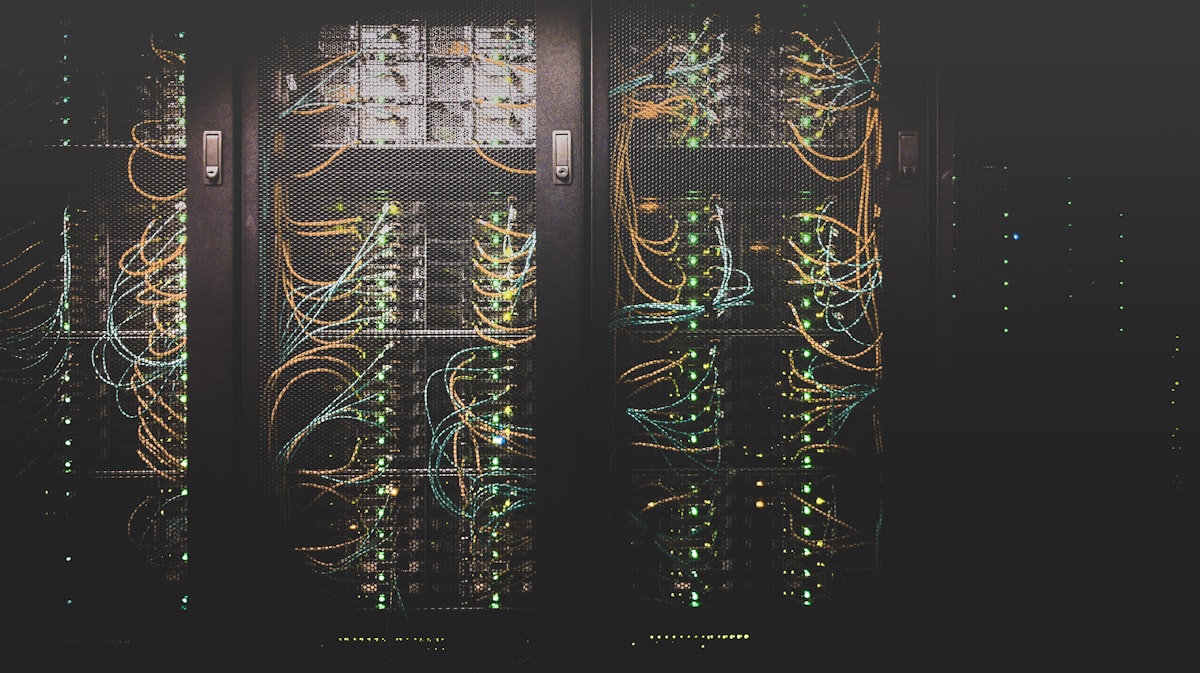
When a server fails "randomly", it almost never did. Somewhere in the room, an environmental factor had been shortening its life for months. Here are the five we find most often on site assessments.
Comfort ACs cool the room; servers need cooling at the intake. Without airflow planning, hot exhaust curls back into intakes and equipment runs 10–15°C hotter than the thermostat claims. Precision cooling and simple containment fix this.
Dust blankets heatsinks and clogs fans until thermal shutdowns begin. Sealed rooms, filtered airflow and positive pressure keep it out far more effectively than periodic cleaning lets it in.
Every voltage dip and spike stresses power supplies. An online UPS doesn't just cover outages; it feeds equipment clean, regenerated power continuously.
Too dry invites static discharge; too humid invites corrosion and condensation. Monitoring with alerts costs little and warns early.
Propped-open doors, drinks on racks, "temporary" cables that outlive their authors. Access control and a camera reduce room incidents more than any policy memo.
Our data center assessments measure all five factors and return a prioritised remediation plan — often the cheapest fixes (blanking panels, sealing, monitoring) deliver the biggest gains.


Dome, bullet or PTZ? Resolution, night vision, storage? A practical guide to specifying cameras that actually capture what matters.
Read article
They're not competitors — they're layers. How the three technologies combine into power continuity for offices, clinics and server rooms.
Read articleSend it over — a real engineer replies within one business day.