UPS vs Generator vs Solar: Building Power That Never Blinks
They're not competitors — they're layers. How the three technologies combine into power continuity for offices, clinics and server rooms.
Read article

Most disappointing CCTV systems fail at the design stage, not the installation stage. The cameras work — they're just the wrong cameras, in the wrong places, recording at the wrong quality. Here's how we think about it when we design a system.
Every zone in your facility has a purpose: detect that someone is there, recognise a person you know, or identify a stranger well enough for evidence. Each purpose needs a different pixel density on the target. A corridor camera that only needs to detect movement can cover a long run; a cash-desk camera that must identify faces needs to be close and sharp.
Any camera looks good in a sunny demo. Ask instead: what does it capture at 2 a.m. at your actual distances? IR range, wide dynamic range for headlights and doorways, and sensible shutter settings matter more than the megapixel number on the box.
Resolution × frame rate × camera count × retention days = disk space. If the numbers don't fit the recorder, something silently gives — usually retention. Decide your retention policy first (30, 60, 90 days), then size the NVR to guarantee it, ideally with RAID so one failed disk doesn't erase your evidence.
A surveillance system is a chain: coverage design, camera choice, network, storage. It's only as strong as the link nobody thought about.
If you're planning a system, our team offers free site assessments — we'll map your zones and give you a camera-by-camera design you can compare against any quote.

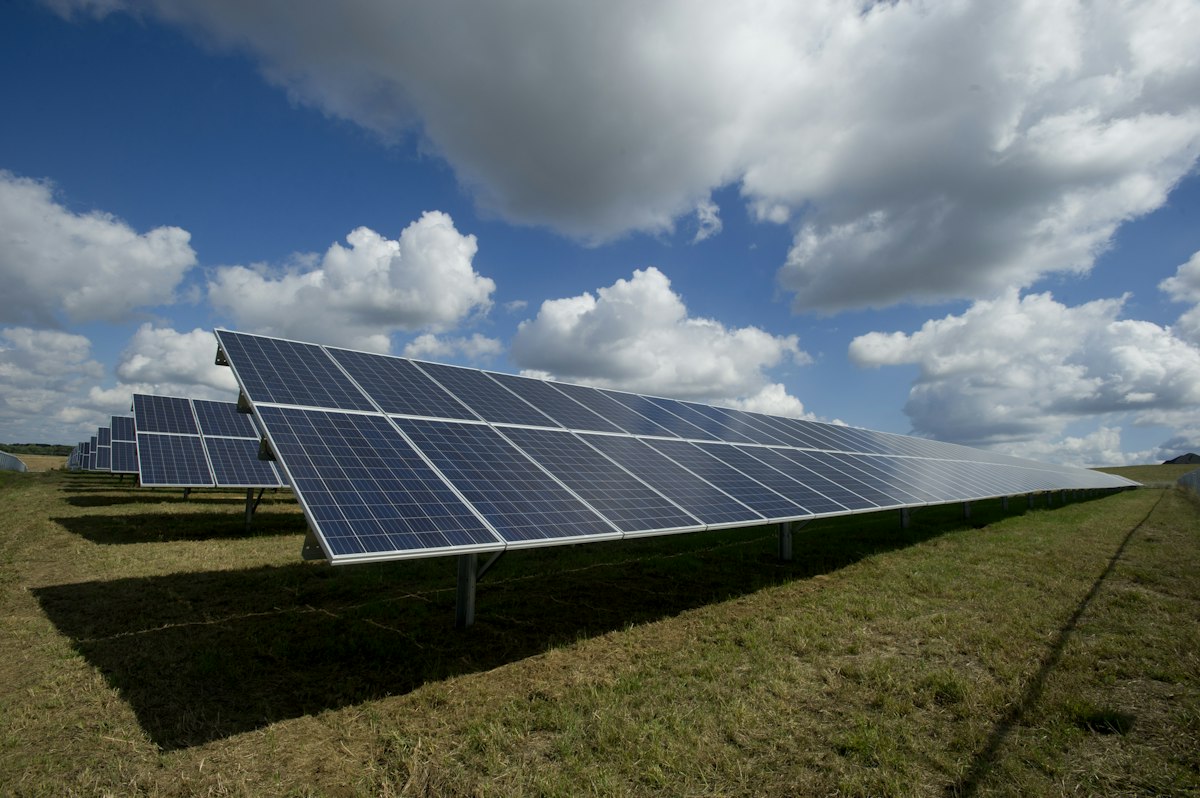
They're not competitors — they're layers. How the three technologies combine into power continuity for offices, clinics and server rooms.
Read article
Spreadsheets built your business — and now they might be quietly limiting it. Five signals it's time to consider an ERP.
Read articleSend it over — a real engineer replies within one business day.